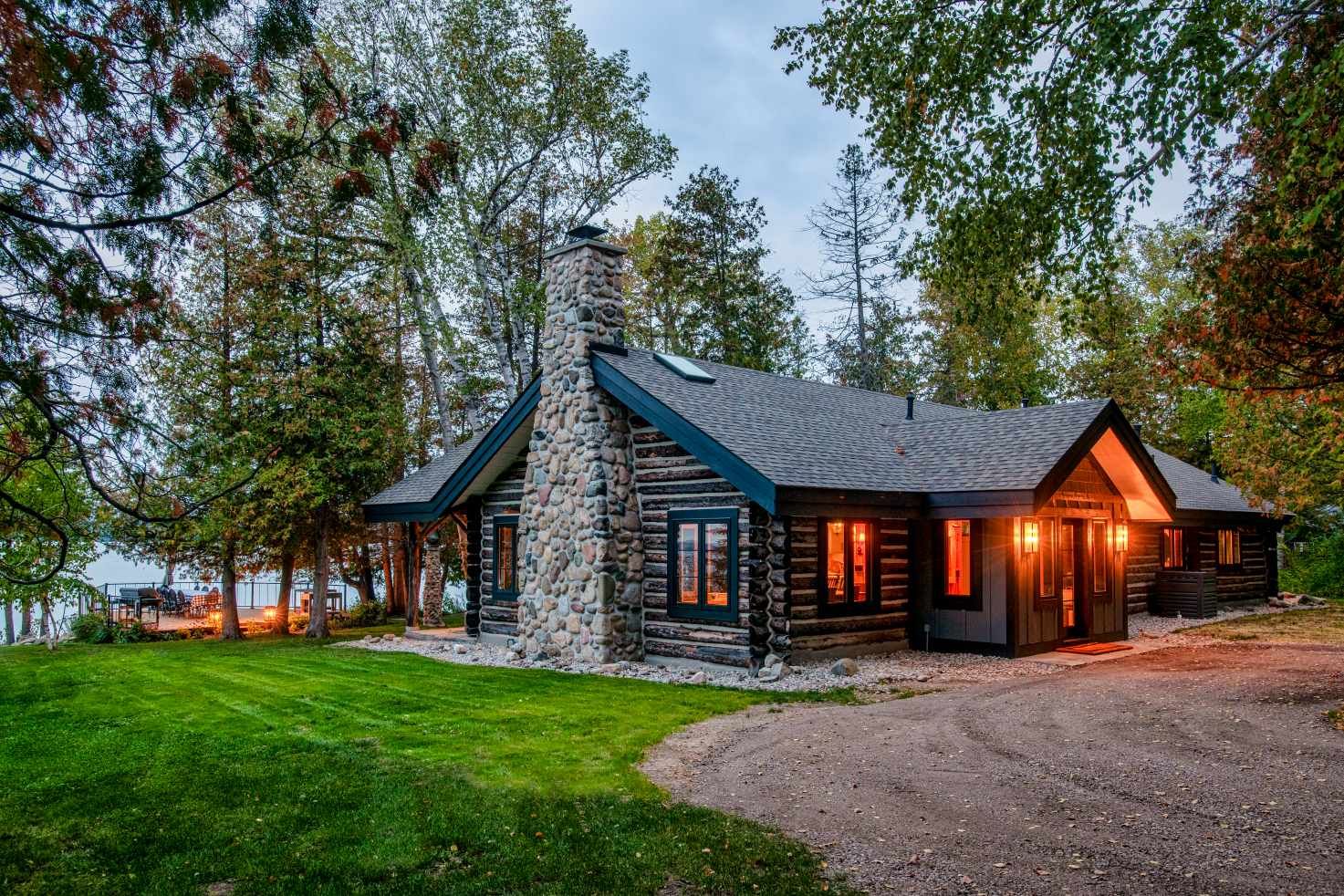
How to Maximize Your Views and Natural Light in Your Custom Lake House
Ask any homeowner what sold them on their lake property, and the view is almost always part of the answer. Yet it's surprisingly common for a home's design to undersell the very thing that made the lot worth buying in the first place — small windows facing the wrong direction, a layout that turns its back on the water, or rooms that stay dim even on a bright afternoon. A well-designed lake house should do the opposite: it should put the view to work in nearly every room and let natural light carry through the entire floor plan.
Why Views & Natural Light Matter So Much at the Lake
A lake home is fundamentally about the relationship between indoors and outdoors. Families don't buy or
renovate a northern Michigan lakefront property to spend their time looking at drywall — they buy it to wake up to water, watch the sun move across the lake throughout the day, and feel connected to the outdoors even when they're inside making dinner. Beyond the lifestyle appeal, a home that's well-oriented to its views and filled with natural light also tends to feel larger, warmer, and more livable, regardless of square footage.
Window Strategies for Maximizing the View
The most effective lake home designs treat windows as a primary design element, not an afterthought.
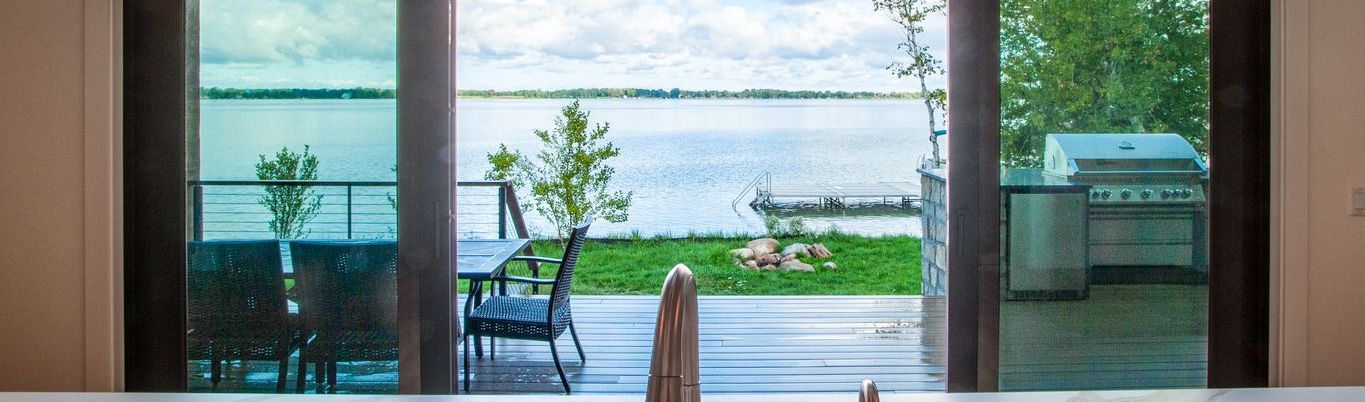
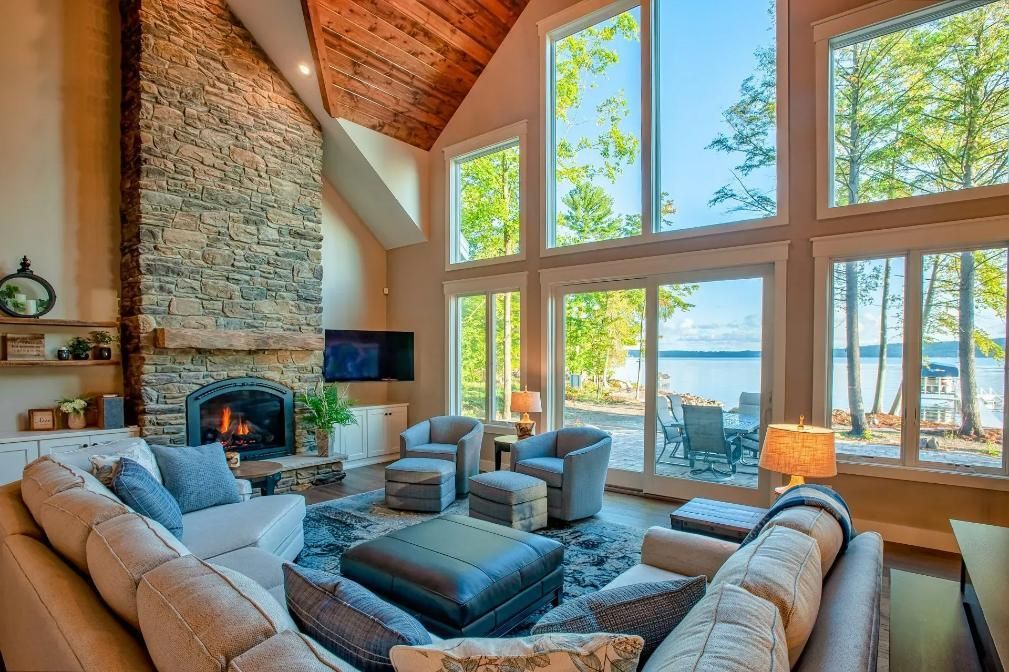
Walls of glass in the main living areas — great room, dining space, and kitchen — turn the lake into a constant backdrop rather than something glimpsed through a single window. Large sliding or folding glass doors take this a step further, blurring the line between the interior and a deck or patio.
Strategic window placement in secondary rooms, like bedrooms and bathrooms, can still capture meaningful glimpses of the water without requiring full glass walls, which helps balance views with privacy and energy efficiency.
Window height and proportion matter just as much as size. Taller windows that extend closer to the ceiling pull in more sky and create a more dramatic sense of openness than a standard-height window of the same width.
Orienting the Home to the Water
Before a single window gets selected, the home's orientation on the lot does the heavy lifting. The most successful designs position primary living spaces — the great room, kitchen, and main outdoor living area — to face the water directly, while service spaces like garages, mudrooms, and utility rooms are tucked toward the street side of the lot. On a renovation, this sometimes means reworking an existing layout that was originally built without much thought to the view at all, which was common in older cottages built decades ago.
Open Floor Plans That Let Light Travel
Natural light doesn't stop at the first room it enters — but only if the floor plan lets it move. Open-concept layouts that connect the kitchen, dining, and living areas allow light from lakefront windows to reach deeper into the home, rather than getting blocked by walls and hallways. Even in homes that prefer some separation between rooms, design choices like interior glass doors, transom windows above doorways, and open stairwells can keep light traveling without sacrificing defined spaces.
Skylights, Clerestory Windows & Other Light Sources
Not every room in a lake home can face the water, which is where secondary light sources earn their place. Skylights work well in kitchens, hallways, and stairwells that don't have an exterior wall facing the lake. Clerestory windows — set high on a wall, often above the roofline of an adjoining space — bring in light without sacrificing wall space or privacy below. These features are especially useful in additions or renovated spaces where the original structure limits how much exterior glass is realistic.
Balancing Privacy with Big Views
Floor-to-ceiling glass is a beautiful feature, but it comes with a tradeoff: visibility runs both directions. Thoughtful design accounts for this with strategies like elevated decks that put sightlines above eye level from the shoreline, frosted or textured glass in bathrooms, and landscaping that screens ground-level windows without blocking the water view from inside. The goal is a home that feels open from the inside and private from the outside.
New Construction vs. Renovating for Better Views
Families building new construction have the most flexibility here, since orientation, window placement, and floor plan can all be designed around the view from the very first sketch. But a lake house addition or remodel can accomplish a lot of the same goals, even within an existing footprint — reframing a wall to add glass, relocating a kitchen to face the water, or opening up a closed-off floor plan to let light reach rooms that have always felt dark. We covered a similar idea in our piece on designing a chef-worthy lake home kitchen, where positioning the kitchen toward the water made a noticeable difference in how the whole main floor felt.
Whether the goal is new construction on
Grand Traverse Bay or updating a longtime family property near
Eastport, the right window and orientation strategy is one of the highest-impact decisions in the entire design process — and it's one we start talking through with every client from day one.
Frequently Asked Questions
What's the best way to maximize lake views in a custom home?
Orienting primary living spaces toward the water, using large windows or glass walls in main gathering areas, and keeping the floor plan open enough for sightlines to travel through multiple rooms are the most effective strategies.
Can I improve the views in an existing lake house without a full rebuild?
Yes. A renovation can often reframe walls to add larger windows, relocate key rooms like the kitchen toward the water, or open up a closed floor plan, all without changing the home's overall footprint.
How do I get natural light into rooms that don't face the lake?
Skylights, clerestory windows, interior glass doors, and open stairwells all help carry natural light into rooms without direct water views.
Will large windows facing the lake hurt my home's energy efficiency?
Not necessarily. High-performance glass and proper window placement can deliver large, view-friendly windows without sacrificing energy efficiency, especially important for a home that needs to perform well through Northern Michigan winters.
How do I get great views without sacrificing privacy from the water?
Strategies like elevated decks, frosted glass in bathrooms, and thoughtful landscaping allow a home to feel open from the inside while staying private from the shoreline or neighboring properties.