The Rich History of Torch Lake - From Glacial Formation to Luxury Living
Long before Torch Lake became known for its strikingly clear, turquoise water and the luxury homes that line its shores, it was carved by ice. The story of how this lake came to be — and how it evolved from a glacial formation into one of Northern Michigan's most desirable places to own a home — says a lot about why families keep choosing to put down roots here generation after generation.
How Torch Lake Was Formed
Torch Lake's depth and clarity trace back to the last Ice Age, when retreating glaciers carved out the basin that would eventually fill with water. Like the rest of the Elk River Chain of Lakes, Torch Lake owes its dramatic underwater topography to that glacial activity, which is part of why the lake reaches depths approaching 300 feet in places. That depth, combined with a largely sandy bottom, is what gives Torch Lake its famous Caribbean-blue color — a feature that draws comparisons to tropical destinations despite sitting firmly in the Midwest.
It's a detail that surprises a lot of first-time visitors: a narrow strip of land less than a quarter-mile wide is the only thing separating Torch Lake from Lake Michigan. If not for that small stretch of land, Torch Lake would simply be part of the Great Lake itself.
Native American History and the Origin of the Name
Torch Lake's name has roots in the Native American practice of fishing by torchlight. The lake's original name, Waswaaganing, translates to "lake of the torches," referring to the method used by Indigenous people to fish at night — holding birch bark torches close to the water's surface to draw whitefish and trout up from the depths. The name has carried through generations and remains the lake's identity to this day.
Logging Era and Early Settlement
Like much of Northern Michigan, the area around Torch Lake transformed dramatically during the lumber boom of the 1880s through the early 1900s. The Chain of Lakes' rivers were used to transport timber, and the arrival of the railroad brought outside visitors who, for the first time, began to see the region as more than just a resource to extract — they saw it as a destination. As the lumber era wound down by 1910, many local economies shifted toward fruit farming, with cherries in particular thriving in the region's sandy soil and cool lake-effect climate.
From Resort Town to Luxury Lake Living
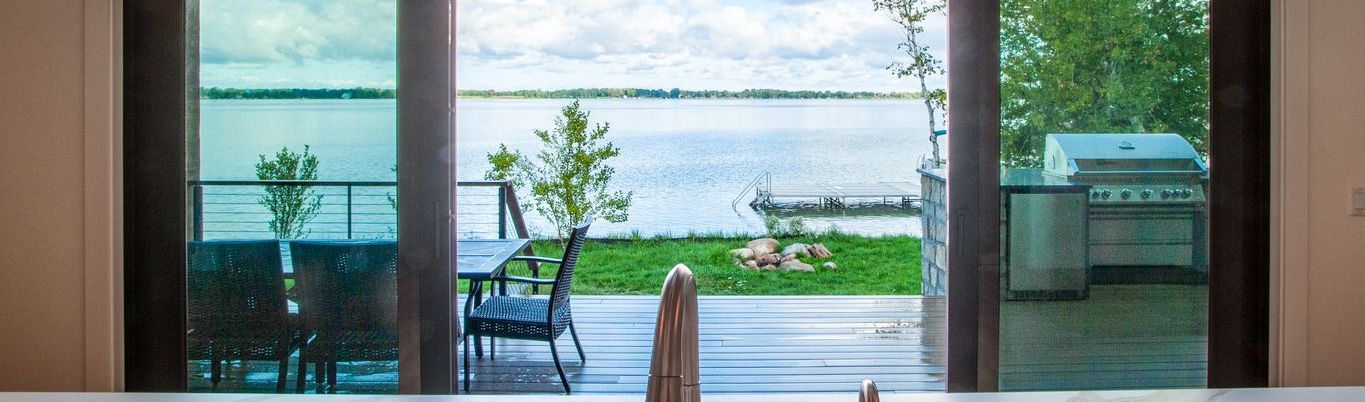
The same qualities that drew early tourists to Torch Lake — its clarity, its scenery, its sense of escape — are what continue to draw families today. What started as modest fishing resorts and seasonal cottages along the shoreline gradually gave way to the custom-built and renovated luxury lake homes that define the area now. Many of today's homeowners are the third or fourth generation of their family to spend summers on Torch Lake, with properties passed down and reimagined for each new generation rather than sold off.
Torch Lake Today
Modern Torch Lake balances its natural beauty with a level of refinement that reflects its reputation as one of the most desirable lake addresses in the Midwest. The lake remains a hub for boating, swimming, and the famous Torch Lake Sandbar, while the surrounding towns like
Alden retain the small-town charm that's always been part of the area's appeal. If you're planning a visit, our guide to the
Torch Lake Sandbar covers what to know before heading out on the water.
Building a Legacy on Torch Lake's Shores
For families who've fallen in love with Torch Lake, the next step is often turning a seasonal visit into a permanent piece of their family's story — whether that means new construction on a vacant lot or a
lake home addition that gives a longtime family cottage more room to grow. We explored this same idea of connected waterways in our piece on the
Chain of Lakes, and many of the same families building on Torch Lake are also drawn to the rustic charm of the area's log cabins, a style we covered in
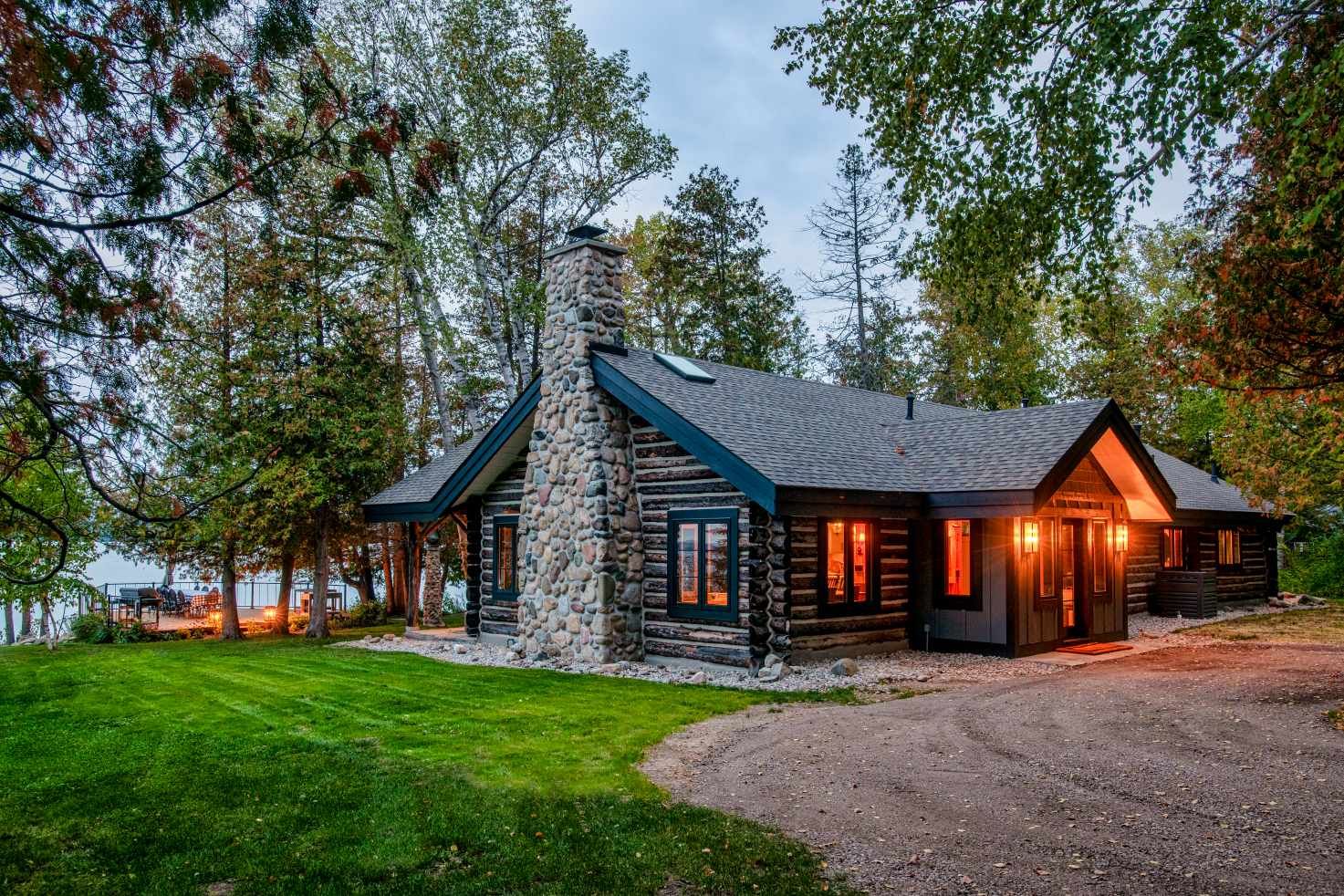
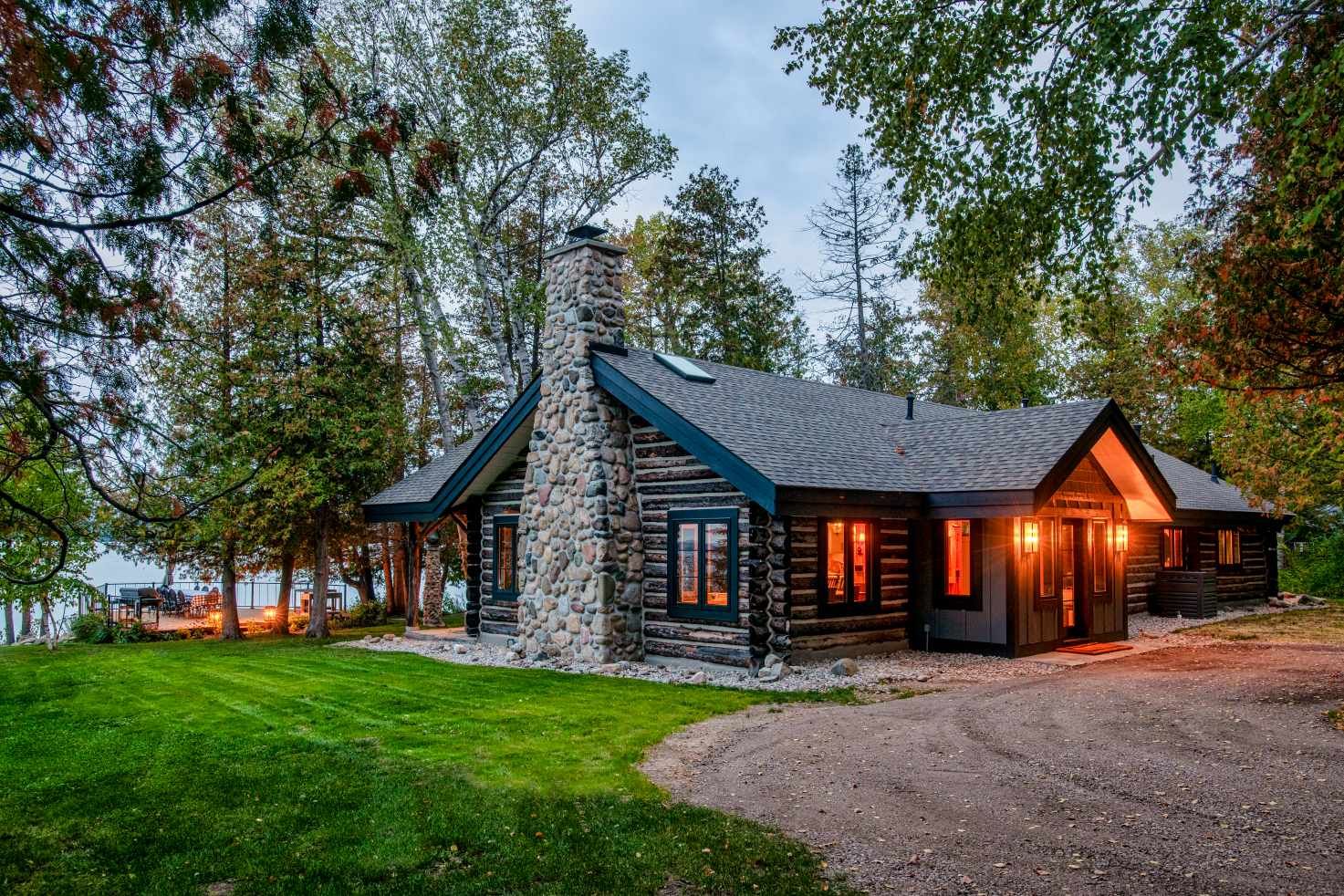
modern updates for a traditional lakefront log cabin.
Frequently Asked Questions
How was Torch Lake formed?
Torch Lake was formed by glacial activity during the last Ice Age. Retreating glaciers carved out the lake's deep basin, which is part of why it reaches depths of nearly 300 feet in some areas.
Why is Torch Lake's water so clear and blue?
The combination of Torch Lake's significant depth and largely sandy lake bottom creates the striking turquoise color the lake is known for, often compared to Caribbean waters.
Where does the name "Torch Lake" come from?
The name comes from the Native American practice of fishing by torchlight. The lake's original name, Waswaaganing, translates to "lake of the torches," referring to the method of using birch bark torches to attract fish to the surface at night.
Is Torch Lake connected to Lake Michigan?
Not directly, though it comes close. A strip of land less than a quarter-mile wide separates Torch Lake from Lake Michigan. Torch Lake connects instead to the rest of the Elk River Chain of Lakes, eventually reaching Grand Traverse Bay.
What was Torch Lake used for before it became a luxury home destination?
Torch Lake's shoreline was originally used for fishing and, later, as a hub for the regional lumber industry. As logging declined in the early 1900s, the area shifted toward tourism and fruit farming, eventually growing into the resort and luxury home destination it is today.